

Tell us a little bit about yourself.
I am Pearl, a Product and UI/UX Designer with 4+ years of experience designing digital products that solve real problems for real people. I work across agriculture, fintech, EdTech, and HR tech, often for users where good design is genuinely life-changing. I started in Petroleum Engineering, but followed my curiosity toward people and never looked back. Outside work I speak at design events, mentor, and run a smal business.


I am most inspired by women building things quietly and brilliantly without waiting for permission. My mother, who has run her own business for years, taught me more about resilience than any course could. Beyond home, I am inspired by designers across Africa solving deeply local problems with world-class craft, and by women who move fluidly across disciplines. A non-linear path is often where the most interesting perspectives come from.
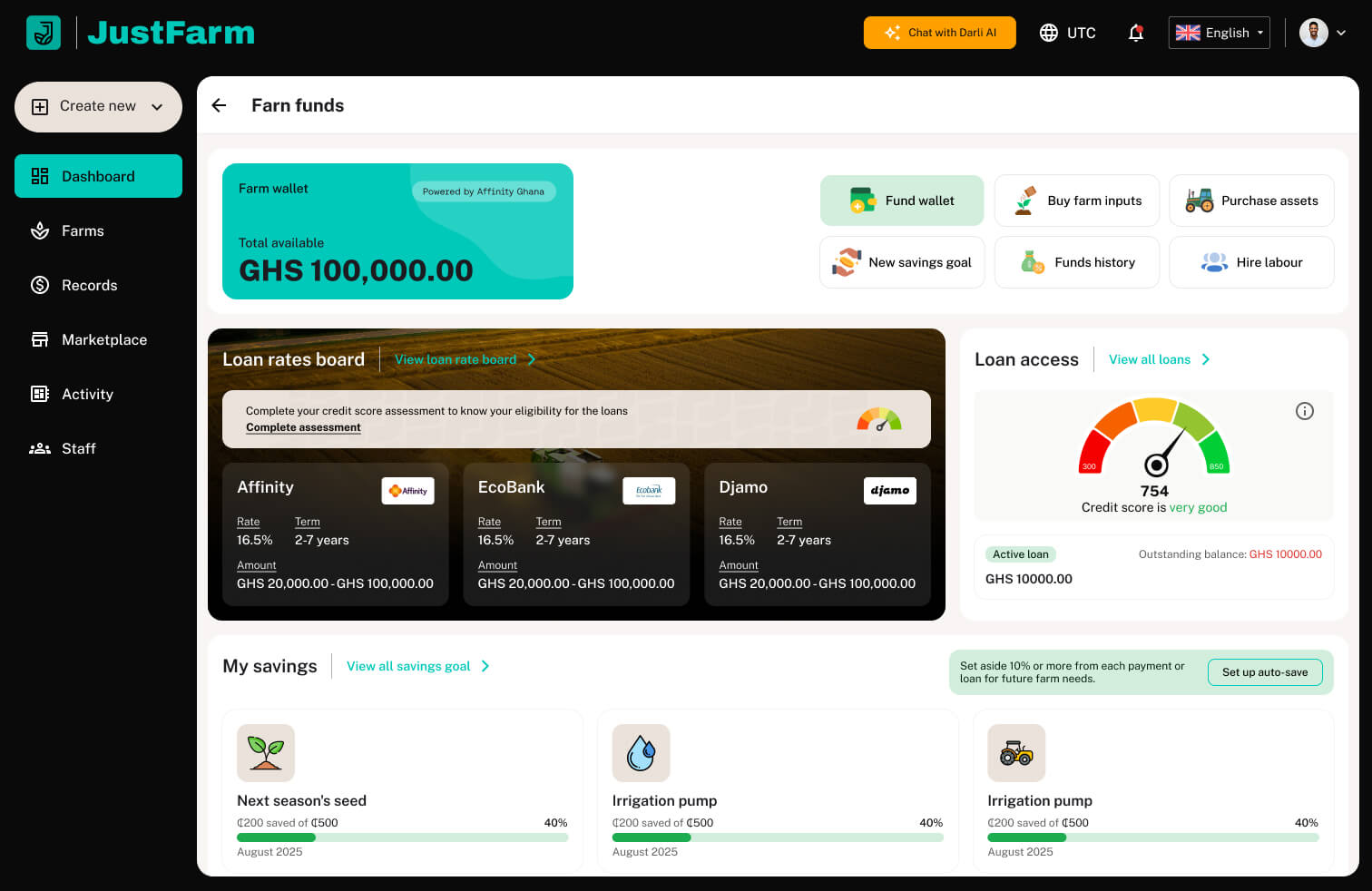
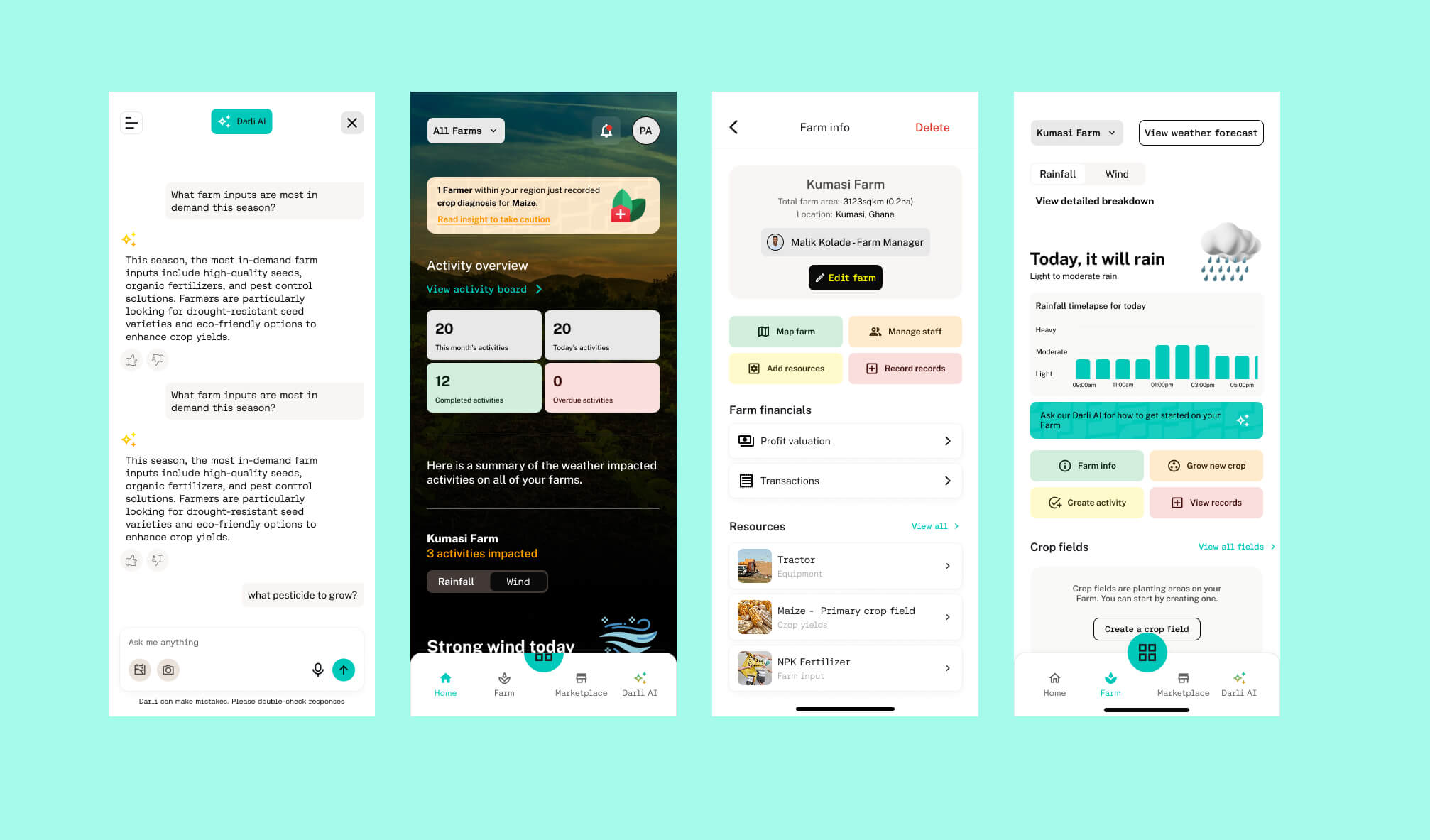
My superpower is making complexity feel simple. I have spent my career designing dense, data-heavy systems and my gift is finding the clearest human path through them. I can sit with a farmer in rural Ghana, understand her frustrations, and translate that into something an engineering team can build. I move between worlds comfortably, and that is what makes my work stick.
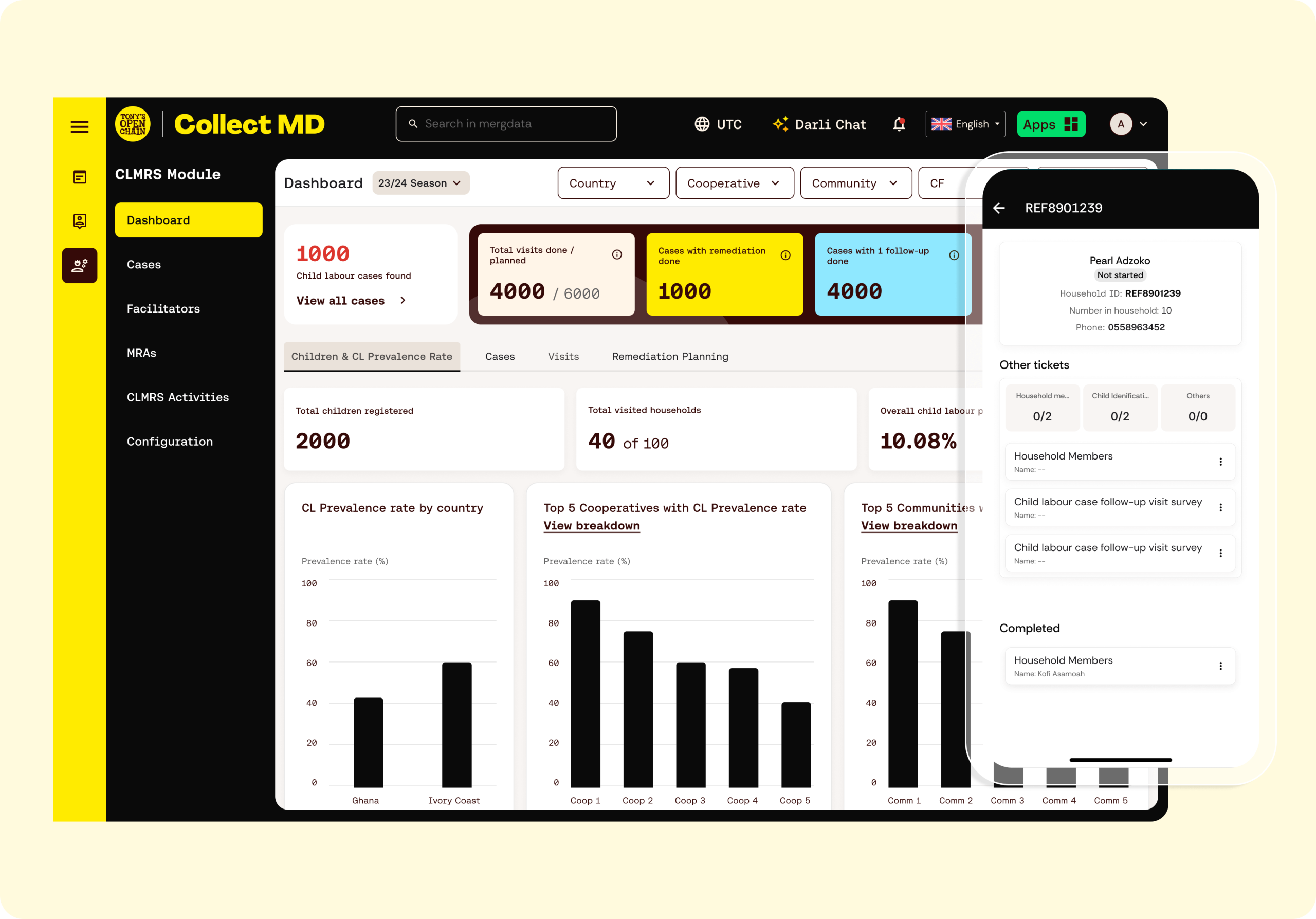
Designing the credit monitoring and recovery system at Farmerline. The platform supported structured follow-ups across a $40M+ disbursed credit portfolio, and contributed to a 96% recovery rate. What made it meaningful was the complexity underneath. Multiple stakeholders, sensitive financial data, and field agents who needed to act quickly with limited connectivity. Getting the design tight enough to support that kind of outcome, at that scale, is something I am really proud of.
I would change who gets to be seen as a reference point. The creative industry has a visibility problem. The work that gets celebrated, shared, and held up as the standard still skews heavily toward certain geographies, certain aesthetics, and certain kinds of creators. That shapes who feels like they belong, who gets hired, and whose work gets funded.
I am from Ghana. I have watched incredibly talented designers, artists, and builders here do world-class work that never makes it onto the global mood board. That gap is not about quality. It is about access and amplification. If I could change one thing, it would be that. Widen the lens. Because the creative world is far richer and more interesting than the slice most platforms choose to show.